
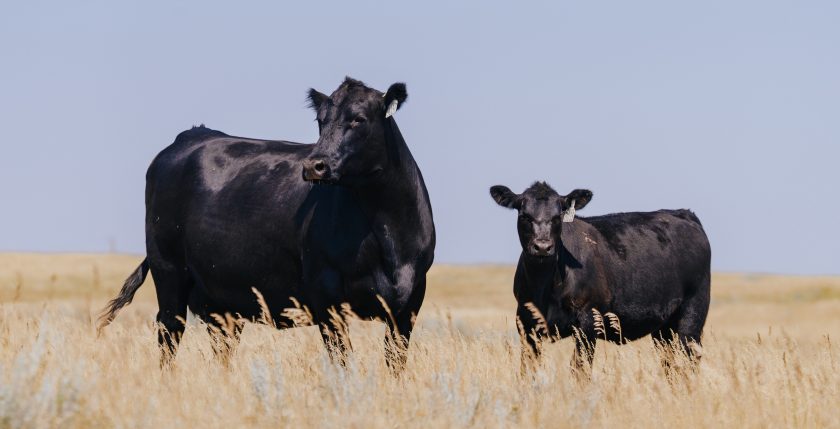
Fall is my favorite time of year. The weather is cooling off, calves are growing and harvest is just around the corner. Fall is also the time when producers are busy weaning calves on their farms and ranches. While weaning season is a stressful period for calves, it is also an extremely rewarding time. It is the point in the production cycle when many aspects of your operation come together and can be evaluated to help guide future decisions.

Beef Sales Manager
Weaning season is more than a management milestone
Proper planning at weaning is essential to set calves up for future success. Vaccination programs and sound management practices can help ensure your heifer calves develop into quality replacements, your bull calves get off to a strong start as potential herd sires, and your feeder calves are positioned for success in the feedlot and on the rail. In addition, numerous value-added programs and management tools are available to enhance the marketability of calves destined for sale.
Measure performance and genetic potential
Weaning season is also the time to measure performance. Standardized 205-day weights are used to evaluate both calf performance and cow productivity. With the advancement of DNA technology, genomic testing now provides valuable insight into an animal’s genetic potential as a parent. Parentage verification is also available to confirm pedigree accuracy. Together, these tools increase confidence when choosing replacement females and identifying potential seedstock.
Evaluate cow productivity and condition
During the calf weaning process, it is also important for you to evaluate the cow side of the equation. In addition to considering the pounds of calf she produced, assess her physical condition. How well did she perform in your environment compared to her herd mates? Are there structural or health issues that need to be addressed? Is she entering winter in adequate body condition, or will supplementation be necessary?
Pregnancy checking pays
One reproductive management tool that remains underutilized in the cattle industry is pregnancy checking. Whether the goal is simply to determine bred versus open status, the economic benefits can be substantial. Carrying open cows through the winter consumes valuable feed and resources without generating a return.
A more advanced pregnancy evaluation includes fetal aging and fetal sex determination. A trained technician using ultrasound technology can determine not only whether a female is pregnant, but also the age and sex of the fetus. This information enables you to sort females before calving and identify those bred early through artificial insemination (A.I.) versus those that will calve later to natural-service breeding. If bred females are marketed, producers often see premiums of $200 to $300 for A.I.-bred females compared to those bred by natural service.
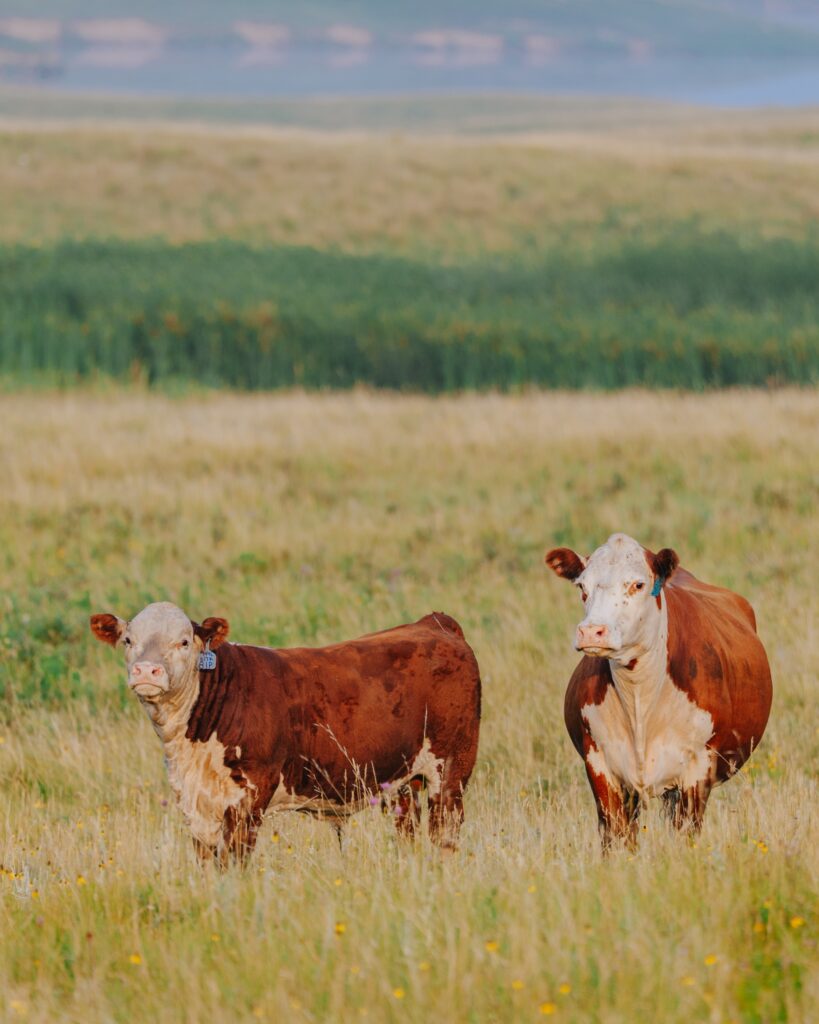
Fetal sex determination also provides valuable marketing and expansion opportunities. Producers focused on herd growth may choose to retain females carrying heifer calves. Those looking to maintain herd size while increasing the number of steers or bull calves marketed may elect to keep females carrying bull calves. Knowing the sex of future calves months before birth allows for more strategic planning and marketing decisions.
Prepare now for the next breeding season
For those who calve in the fall, now is the time to prepare for the arrival of calves. It is also the time to visit with your local GENEX representative and secure semen and breeding supplies for the upcoming breeding season. Be sure to discuss breeding services as well and get on their schedule early. Demand for top-quality genetics remains strong, so make certain the bulls you want are represented in your tank before the season begins.
Finally, fall is a wonderful time to get off the farm or ranch and participate in the many tours and educational events held throughout the country. Whether you organize your own trip or attend a breed association or cattlemen’s event, these tours provide opportunities to exchange ideas with fellow producers, observe a variety of operations, learn new management practices and evaluate cattle from leading herds. They are also a chance to reconnect with old friends and make new ones. After all, the greatest asset of the beef industry is the people who live and work on the farms and ranches across this great land.