
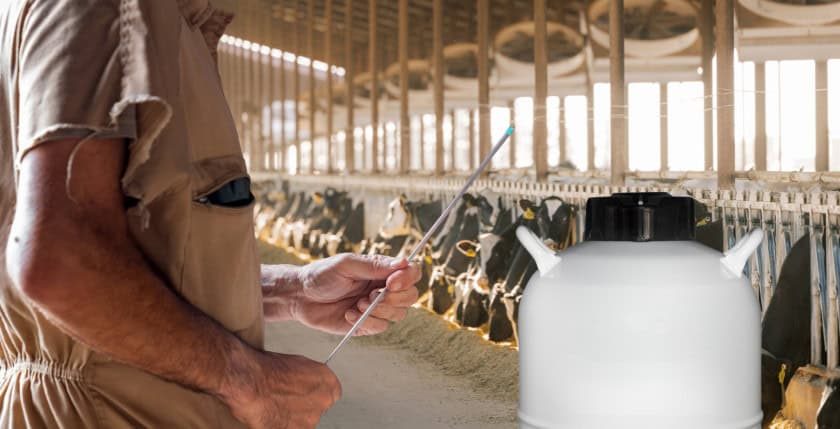
Advances in reproductive management have changed how dairy herds achieve pregnancies. Technologies like heat detection systems and synchronization programs, along with the increased use of sexed semen and beef-on-dairy semen, have transformed breeding programs. As breeding strategies evolve, dairy cattle fertility evaluations must keep pace.
Effective with the August 2026 sire summaries, the Council on Dairy Cattle Breeding (CDCB) fertility evaluation updates provide a more accurate picture of an animal’s genetic fertility. The updates better separate genetics from management influences. Along with these revisions, you will also see an all-new fertility trait: First Service to Conception (FSC).
Why the updates matter
Modern dairy herds manage reproduction differently than they did when many fertility traits were originally developed. As management practices improve, it becomes increasingly important to identify which animals possess superior genetics for fertility versus those benefiting from management alone.
The updated evaluations provide:
- Better genetic accuracy
- More informed sire selection decisions
- Improved stability in evaluations over time
- Better identification of bulls that can improve female reproductive performance
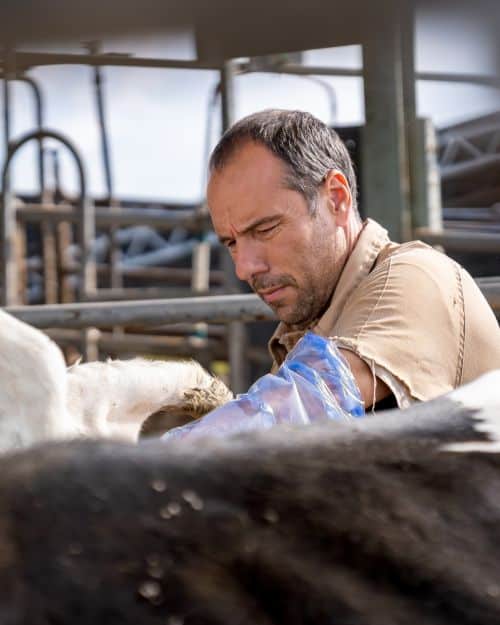
Understanding the updated dairy fertility traits
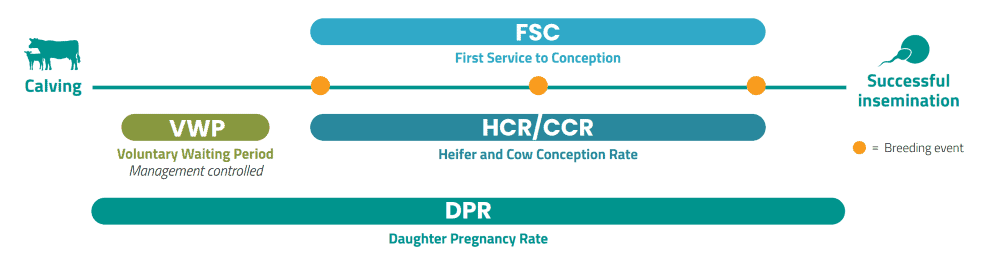
Each fertility trait evaluates a different stage of the reproductive cycle, helping you match sire selection to your herd’s reproductive goals.
Daughter Pregnancy Rate (DPR)
DPR measures the percentage of non-pregnant cows that become pregnant during each 21-day cycle. The updated evaluation now incorporates herd-level and lactation-specific voluntary waiting periods rather than relying on a fixed value. Additionally, the updated model now excludes daughters until they reach 36 months of age.
DPR is expressed as a percentage. Therefore, daughters of a +1.0 DPR bull are expected to have a 1% higher pregnancy rate than the breed average.
Best for: Improving overall reproductive efficiency and pregnancy success across multiple breedings.
Cow Conception Rate (CCR)
CCR measures a lactating cow’s ability to conceive. The updated calculation now includes a days-in-milk factor for improved accuracy. Additionally, with the new data edits, daughters are excluded until they reach 36 months of age.
CCR is expressed as a percentage. This means daughters of a +1.0 CCR bull are expected to have a 1% higher conception rate than the breed average.
Best for: Improving conception rates in lactating cows and reducing repeat breedings.
Heifer Conception Rate (HCR)
HCR evaluates a maiden heifer’s ability to conceive. Updates to the model now account for service sire breed, mating type and short cycling events.
HCR is expressed as a percentage. This means daughters of +1.0 HCR bull are expected to have a 1% higher conception rate than the breed average.
Best for: Improving conception success in replacement heifers and helping achieve timely age at first calving.
Early First Calving (EFC)
EFC evaluates an animal’s ability to influence daughters’ age at first calving. The calculation now uses a single-trait model. Remember, a positive EFC represents fewer days to first calving.
Best for: Reducing heifer raising costs and bringing genetically superior animals into production sooner.
New trait! First Service to Conception (FSC)
The new FSC trait measures a lactating cow’s ability to conceive following her first insemination, expressed in days. Unlike other fertility evaluations, FSC focuses on the days between the first service and conception. It evaluates this period independently of the voluntary waiting period.
A positive FSC value represents fewer days to conception and is more desirable.
Best for: Producers who manage breeding on an individual cow basis and want insight insight into how quickly cows conceive after first service.
Matching fertility traits to your breeding goals
Different fertility traits evaluate different stages of the reproductive cycle. That’s why selecting sires based on herd-specific goals is important.
| Breeding Goal | Trait to Prioritize |
|---|---|
|
Improve days open |
DPR |
|
Improve heifer fertility |
HCR |
|
Improve fertility in lactating cows |
CCR |
|
Reduce age at first calving |
EFC |
|
Improve repro efficiency, once insemination begins |
FSC |
The bottom line on improving female fertility
No single trait tells the entire story. Together, these updated dairy fertility traits provide a more complete and accurate picture of reproductive performance. They are available to help you make better breeding decisions and build cows that become pregnant more efficiently.
Talk with your GENEX representative about the fertility traits that best fit your herd and breeding goals. Or, learn more about the August 2026 fertility evaluation updates at CDCB.