
Rapid genetic progress is achievable through A.I. or embryo transfer, but only when both the female and the breeding process are managed with precision. Proper semen handling and disciplined breeding protocols are essential to maximizing conception success.
The genetic direction of your herd is one of the most powerful management decisions you make. As genetics improve, the performance of your herd improves as well. Stronger replacement females enter the breeding herd, market calves gain more efficiently and final carcass values rise when selection is focused on the traits or indexes that matter most to your operation.

Improving your herd genetics can be accomplished at a faster pace using artificial insemination (A.I.) or embryo transfer (ET). Specific protocols need to be followed for either of these genetic tools to be successful.
There are two sides to a successful artificial insemination or embryo transfer equation. First, the female must be ready to breed or accept the embryo. She needs to be in heat or in the proper breeding window within a timed A.I. program. The other side centers on the breeding process, which ends with depositing high-quality semen or an embryo within the uterus to create the best opportunity to establish a pregnancy. There are many steps involved in this process, yet every successful A.I. program begins with proper semen handling.
The tank
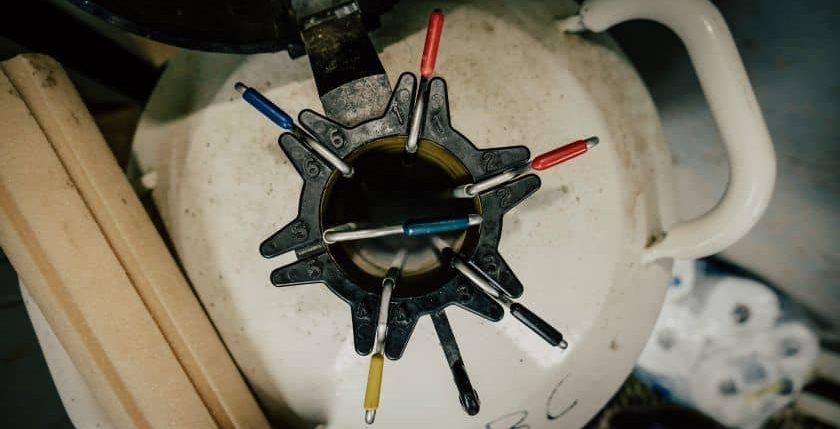
First, take care of the semen tank. It should be stored indoors and on dry concrete or wood – moisture will erode the base. Check nitrogen levels every two to four weeks, and always maintain about 10 inches of nitrogen. Work with your semen supplier to refill the tank at regular intervals. Get a new tank if you start noticing a faster reduction in nitrogen level.
Semen straws are stored in liquid nitrogen inside your semen tank at a temperature of about minus 320°F (minus 196°C), and they need to stay at that temperature until they are ready to be used. Sperm are extremely sensitive to temperature swings; even minor changes can cause membrane damage and lower motility, which will have a negative impact on conception rates.
As you look down into the neck of the semen tank, you’ll notice a frost line. Semen must stay below that line. The danger zone is the top 2 to 3 inches of the neck, where temperatures rise and where even a few seconds in that area can cause damage. Never hold the canister there while searching for a straw. The GENEX Beef App has a semen tank inventory section to easily record where straws are located to prevent the need for searching.
Tank organization
Each cane of straws should be properly labeled on the top to indicate which bull is contained on each cane. If straws are organized properly, it should be easy to identify the bull you need. Situate the canister so it stays below the frost line while you select the cane you need. With the canister in the safe zone, lift the cane high enough to select the desired straw. Use tweezers to pull a straw from the goblet.
45-second thaw
Have a water bath ready with water at a temperature of between 95°F to 98°F (35°C to 37°C). Place the selected straw in the water bath and let it thaw for a minimum of 45 seconds. If you have many cows to breed, it is possible to thaw a batch of straws. The number of straws that can be thawed in a group depends on several factors. First, only thaw as many straws as the number of breedings you can complete within 15 minutes. Consider the full process, including loading the guns and the time it takes to travel to the cow. Be sure straws do not touch during thawing, and use multiple thaw baths for best results.
Load the gun
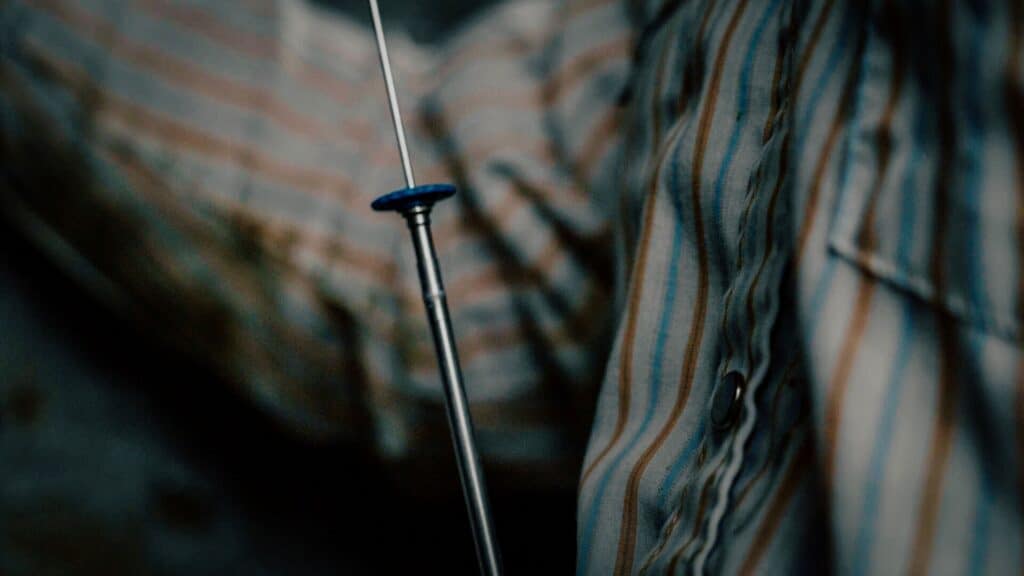
Once the straw is thawed, dry off the straw and double-check to make sure it is from the correct bull. Cut the end of the straw off opposite the cotton plug just below the crimped end, and slide it onto the insemination gun. As you travel to the cow, it is important to keep the gun warm, either by using an insemination gun warmer or by tucking the straw inside your coveralls next to your skin.
Breed the cow
Use proper insemination techniques to deposit the semen inside the cow. Start by gently cleaning the vulva, then inserting the insemination gun at a 30- to 40-degree angle into the vulva. With your other gloved hand in the rectum, guide the gun through the cervix. You will recognize the cervix as a firm, tubular structure. The cervix contains folds, so you may need to gently grasp the cervix and move it along with the gun to guide the tip over the folds and through the cervix. Once through, deposit the semen at the entrance of the uterus. After completing the breeding, gently remove the gun and properly discard the semen straw and sheath.
Record the breeding
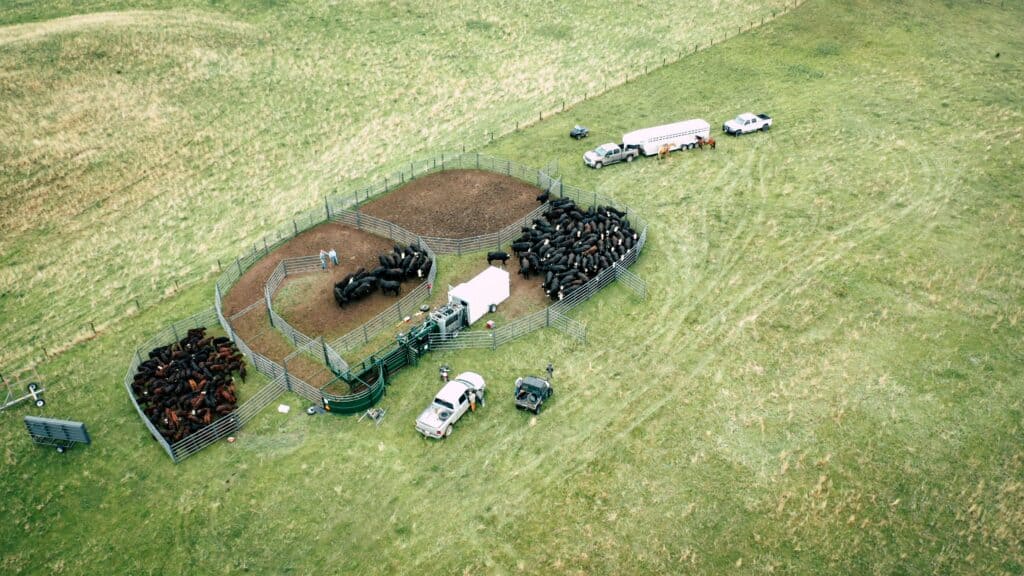
Once the breeding is complete, make sure to record the cow’s identification, the semen used, and the date and time of service.
While most of the previous information is about proper semen use, the same methods can be followed for handling frozen embryos. There may be some differences when it comes to implanting the embryo depending on preference for placing the embryo within the uterine horn containing the corpus luteum.
If you feel like your breeding program needs help, consult your veterinarian or semen supplier. Regular training for your breeding team can be beneficial to identify and fix problem areas.
Since beef females are only in heat every 21 days, there are not many opportunities to achieve a successful breeding and still achieve calvings that fit within a desired calving window. You don’t have the luxury of making a mistake that decreases the likelihood of a pregnancy and forces a 21-day wait until the next cycle. It’s important to follow strict semen- and embryo-handling protocols for each breeding to accomplish a successful, on-time pregnancy. It’s through attention to detail that the genetics of your herd can accelerate.