- +1.888.333.1783
- [email protected]
- Spanish Site


Your Herd Is Part of Your Legacy. Build Accordingly.
The GENEX ICC™ indexes help you create cows that produce, breed back, stay healthy and remain in the herd longer. Because profitability isn’t built in one lactation. It’s built over a lifetime.
Your Herd Is Part of Your Legacy. Build Accordingly.
The GENEX ICC™ indexes help you create cows that produce, breed back, stay healthy and remain in the herd longer. Because profitability isn’t built in one lactation. It’s built over a lifetime.
What is the GENEX ICC index?
It is a genetic index designed to answer a simple question: which genetics create cows that generate more lifetime value and keep doing it?
Introduced in 2014, the ICC index was one of the first selection tools built specifically for commercial herd profitability. Dairy producers challenged us to go beyond traditional indexes and identify genetics that reflect how modern dairies operate. From the start, ICC focused on creating functional cows that deliver real lifetime value.
That purpose continues to guide the ICC index today. As dairies have evolved, so has the index, placing greater emphasis on longevity, health, female fertility and efficiency while maintaining strong production. With four Holstein variations and a dedicated Jersey index, ICC offers flexibility to match your genetic strategy to your milk market, herd profile and long-term goals.
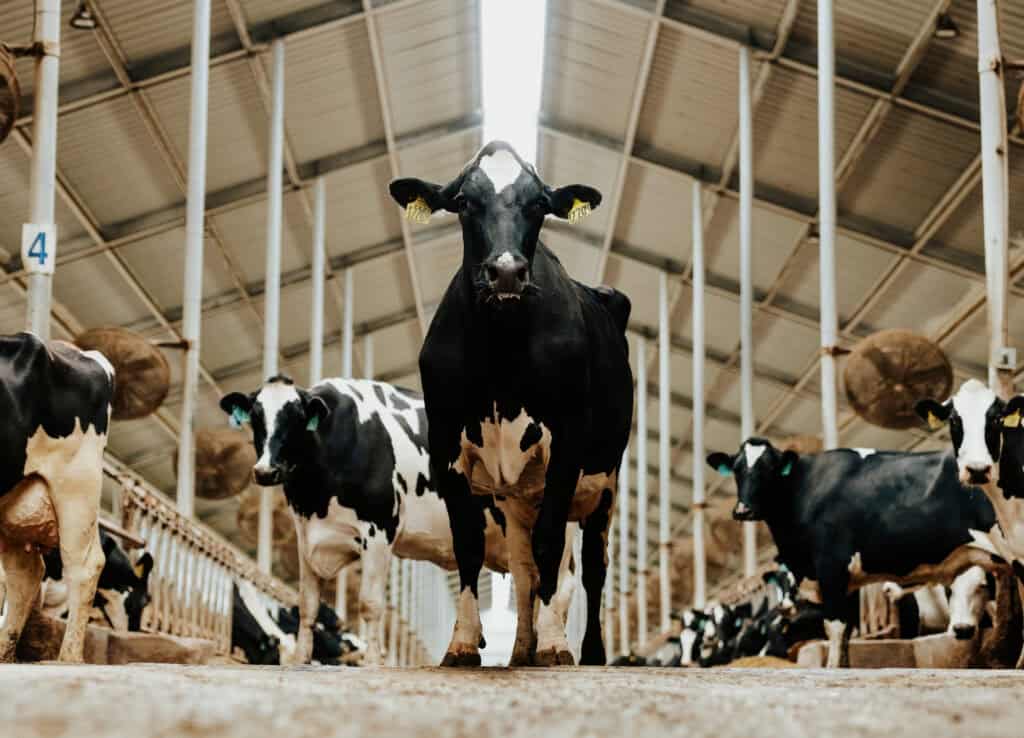
What profitable cows do, consistently.
The ICC indexes are built on the belief that the most profitable cows are the ones that keep performing lactation after lactation. These cows consistently deliver in five key areas:
- Produces — The right balance of milk and components for your milk market.
- Breeds back — On schedule for every lactation, with fewer days open, fewer semen units and more time in milk.
- Stays healthy — Fewer health events, lower treatment costs and less time in the sick pen.
- Converts efficiently — More milk per pound of feed, lowering input costs and strengthening margins.
- Lasts longer — More cows reaching fourth lactation and beyond, where lifetime value is truly built.
The ICC indexes bring these five key areas together in a balanced genetic approach, while also giving you the flexibility to emphasize what matters most to you and your dairy.
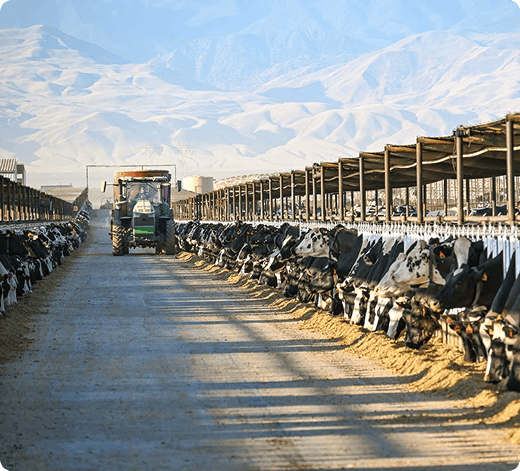
Built for the economics of modern dairies.
Dairy farming operates in a very different environment than a decade ago. Milk markets have evolved, herd sizes have grown and expectations for efficiency continue to rise while volatile milk prices, rising feed costs and labor shortages put pressure on margins every day.
Traditional industry indexes still serve as valuable reference points. But more producers are stepping back from rankings and asking a more practical question: which genetics will create cows that return more over their lifetime?
That’s exactly why the ICC indexes matter today. Built around the economic drivers of commercial herds, they focus on the kind of cows that stay in the herd longer, keep working and deliver value over time – the kind of performance today’s economics demand.
How to Choose Your Index
Choosing the right genetics for your herd starts with understanding your operation. Three things should shape any genetic selection decision you make:
1
Your milk market.
Are you paid on components or fluid volume? Your payment structure determines which production traits deliver the most value to your dairy.
2
Your genetic baseline.
Where is your herd today genetically, and how far do you want to move it? Are there specific areas that need more improvement than others?
3
Your long-term goals.
What does a profitable cow look like on your dairy five years from now? Your vision for the herd should drive your genetic strategy today.
Index options built for lifetime profit.
No two dairies operate exactly the same way. That’s why the ICC index options are designed to give you flexibility in aligning your genetic selection with your milk market, your herd’s genetic baseline and your priorities for the future.
HOLSTEINS

Built for balanced genetics.
Drives genetic progress across production, fertility, health, longevity and efficiency, with a focus on stronger lifetime energy-corrected milk (ECM).
Best option if you: seek balanced genetic progress across all key areas for long-term herd performance.
Best option if you: seek balanced genetic progress across all key areas for long-term herd performance.

Built for lifetime milk production.
Emphasizes lifetime milk yield while maintaining the fertility, health and longevity needed to sustain it.
Best option if you: are paid on fluid milk and want more lifetime production.
Best option if you: are paid on fluid milk and want more lifetime production.

Built with a health & fertility emphasis.
Shifts selection focus slightly toward reducing mastitis, transition challenges and other costly health events.
Best option if you: want to improve herd health, reduce problems and keep more cows in the herd.
Best option if you: want to improve herd health, reduce problems and keep more cows in the herd.

Built for efficient and sustainable herds.
Prioritizes cows that convert feed into milk more effectively while supporting longevity and lower input use.
Best option if you: are focused on feed efficiency, cost control and long-term sustainability.
Best option if you: are focused on feed efficiency, cost control and long-term sustainability.
JERSEYS
Built for balanced Jersey profitability.
Drives progress across production, fertility, health and longevity, with a focus on maximizing lifetime value in Jersey herds.
Best option if you: want a balanced, efficient Jersey cow built for components, health and fertility.
Best option if you: want a balanced, efficient Jersey cow built for components, health and fertility.
Real herds. Real cows. Real results.
The ICC indexes are validated using data from real cows in real commercial dairies, including 45,000 genomic-tested Holstein females in progressive herds, tracked from birth through the end of their productive life.
To compare indexes fairly, the same group of cows was ranked by each index. The top 25% for each index was then evaluated on actual lifetime results for production, fertility, health and longevity. Because it’s the same cows, simply sorted differently, every index is held to the same standard. It’s just real lifetime performance measured the same way across every index.
When you choose a GENEX ICC index, you’re not choosing based on projections. You’re choosing based on what cows in herds like yours actually achieved over their lifetimes. That’s the difference between a promise and proof.
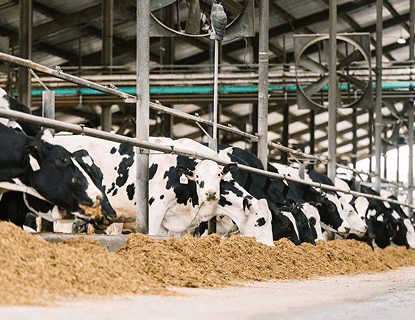
Putting Your Index to Work
Choosing the right index is only the beginning. The real value comes from putting it to work consistently generation after generation, guided by people who understand your dairy.
Step
1
Find your index.
Work with your GENEX representative to align the right ICC index with your milk market, herd genetic profile and long-term goals, so your genetic strategy fits how your dairy actually operates.
Step
2
Build your mating plan.
You and your representative select sires based on your chosen ICC index. Then, using the GENEX DairySuite™ precision genetics mating tool, your females are ranked on that same index and paired with sires that move your herd forward while managing inbreeding levels.
Step
3
Watch it work.
As replacements enter the herd, your genetics steadily align with your chosen index. Annual genetic audits through DairySuite, conducted by your GENEX representative, keep progress on track as you build cows that produce, breed back, stay healthy, convert efficiently and last longer.
Step
1
Find your index.
Work with your GENEX representative to align the right ICC index with your milk market, herd genetic profile and long-term goals, so your genetic strategy fits how your dairy actually operates.
Step
2
Build your mating plan.
You and your representative select sires based on your chosen ICC index. Then, using the GENEX DairySuite™ precision genetics mating tool, your females are ranked on that same index and paired with sires that move your herd forward while managing inbreeding levels.
Step
3
Watch it work.
As replacements enter the herd, your genetics steadily align with your chosen index. Annual genetic audits through DairySuite, conducted by your GENEX representative, keep progress on track as you build cows that produce, breed back, stay healthy, convert efficiently and last longer.
Not sure which index fits your dairy?
Choosing the right ICC index starts with understanding your dairy, your milk market, your current genetic baseline and your long-term goals. Explore each index above to see which emphasis aligns with how your dairy operates. Then talk it through with your GENEX representative.
We’re here to help you identify the right fit and build a mating plan that puts it to work cow by cow, generation after generation. Because every breeding decision moves your herd in a direction. Let’s make sure it’s the right one.
Questions we hear from producers like you.
The proof is in the data, and it’s data you can trust because it comes from real cows. The Holstein ICC indexes are validated using a dataset of 45,000 genomic-tested females in progressive commercial herds, tracked from birth through the end of their productive life. The performance comparisons reflect what those cows actually achieved, not simply what they were expected to do based on genetics. To compare indexes fairly, that same group of cows was ranked by each index. The top 25% for each index was then evaluated on actual lifetime results for production, fertility, health and longevity. Because it’s the same cows simply sorted differently, every index is held to the same standard.
There are other industry indexes, and you’ll find many GENEX sires rank well on them. The ICC indexes don’t replace those indexes; they offer a different lens. The ICC indexes were built specifically around commercial herd profitability, prioritizing lifetime performance over peak early production. In practice, that difference shows up in more cows reaching fourth lactation, fewer days open, lower SCC and thousands of additional pounds of lifetime milk and energy-corrected milk – factors that directly affect your bottom line, not just your sire rankings.
No. Every ICC index maintains strong emphasis on production, and the data shows ICC indexes outperform other indexes for lifetime milk and energy-corrected milk. The reason is straightforward: cows that stay healthy, breed back and last longer simply produce more total milk over their lifetimes.
No. The ICC indexes were designed with all commercial production systems in mind. Cows that produce more, breed back easily, stay healthy, live longer and convert feed effectively benefit operations of all sizes.
They came from producers like you. In 2014, forward-thinking commercial dairy producers challenged GENEX to build a better selection tool. They asked for a tool that went beyond traditional indexes and focused on the real-world drivers of herd profitability. We listened, and the original ICC index was the result. Since then, we’ve continued to evolve it alongside the producers who use it. The indexes have been shaped by direct producer input and validated on real herds to ensure they continually reflect the practical needs of commercial dairies.
Yes. We periodically review and update index weightings to reflect changes in dairy economics and the availability of new genetic data. The April 2026 sire summary, for example, introduced new Holstein index options and updated (and renamed) the ICC Ultimate formula to better reflect today’s component markets. The ICC indexes continue to evolve because what drives profitability on a modern dairy doesn’t stand still, and neither do we.
Yes. Through the GENEX DairySuite precision genetics program, you can get ICC values on genomically tested females. If accurate sire and maternal grandsire identification is available, parent averages can be generated too, even for females with non-GENEX bulls in their pedigree.
Yes. The core drivers of dairy profitability – lifetime production, fertility, health, longevity and feed efficiency – apply globally. For Holsteins, the index variations allow you to emphasize specific profit-drivers based on your milk payment structure and operational priorities, wherever your dairy is located.