
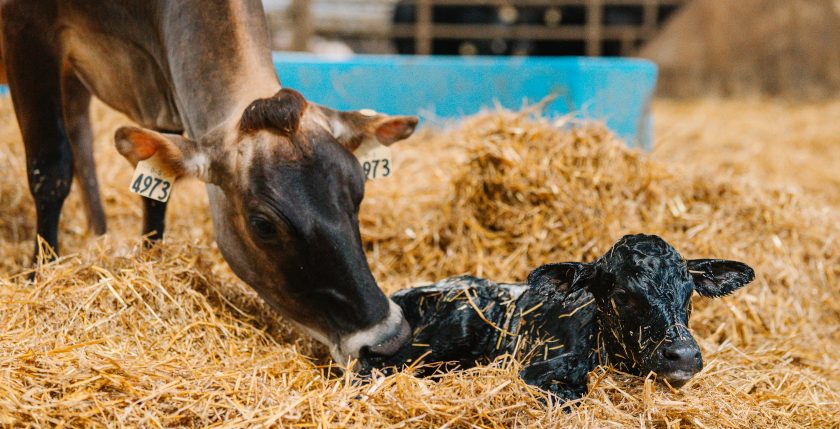
Strong beef-on-dairy calf markets have created a meaningful source of income, making a well-designed beef-on-dairy program increasingly important for dairy producers. When calf prices are strong, it’s easy to focus on today’s return and assume demand will always be there.
But markets move and feeder demand shifts. Planning ahead can put you in a better position to protect calf value when conditions change.
That planning starts with a single question: When your next calf hits the ground, do you already know exactly who wants it and why?

GENEX Beef on Dairy Sales Manager
Every calf starts with a breeding decision.
Every beef-on-dairy calf is the result of a breeding decision made months earlier. That decision – which bull, which semen, which traits – determines the calf’s value and whether it’s the kind of calf that buyers are looking for.
There’s nothing wrong with producing a commodity beef-on-dairy calf. The market has a place for those calves. But there’s a big difference between producing a calf a buyer will accept and producing one a buyer is actively seeking out.
Feed conversion, red meat yield and dressing percentage are traits many feeders and packers value because, for a feeding operation, they are the difference between a profitable pen and a break-even one. For your dairy, sire selection should support those downstream goals while also prioritizing fertility and calving ease to support reproductive success and help protect the cow. When both objectives are considered together, the result is a calf that delivers more value throughout the supply chain.
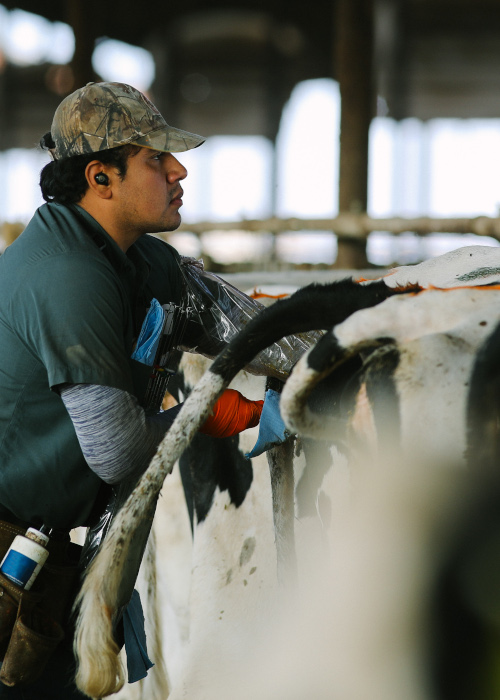
A plan is stronger with the right partner.
Choosing the right sires is only half the equation. The other half is knowing where those calves will go before they’re ever born. A committed, long-term program partner can give you greater confidence in both your breeding decisions and your marketing plan.
The most effective programs align what you need and what the feeder wants from the resulting calf. This means working with a buyer who isn’t just willing to take calves when the market is hot, but who has committed to taking consistent, predictable volume because they helped define the type of calf they want from the start.
For your dairy, that can equate to greater predictability. You have a clearer understanding of what type of calf the buyer is looking for, which genetics fit those expectations and how your calves fit into the marketplace. It also reduces the pressure of making marketing decisions after the calf is already on the ground.
For the feeder, consistency matters. When calves come from genetics with proven fertility, more calves are born per breeding event which creates predictable and plannable volume. With a focus on sire selection built around feed conversion and red meat yield, the feeder isn’t guessing about pen performance.
When dairy and feeder goals are aligned, each side has a clearer path to achieving what matters most to their business.
The real cost of no plan.
When calf markets are strong, it’s easy to assume everything is working. The check clears, the calves move and the decision about choosing a program or partner gets pushed to next quarter. But strong markets can mask misalignments that become more noticeable when conditions tighten.
The conversation shouldn’t focus only on potential premiums. It should also focus on value that may be left on the table. Calves without traceability. Calves from bulls with unknown carcass data. Calves with inconsistent birth weights or health histories. Each of these factors can give a buyer a reason to bid less or pass on calves altogether. In a hot market, those differences may seem less significant. When markets soften, those differences can have a significant impact on profitability.
Without a plan, you may be more exposed when market conditions change. If you market calves only after they’re born, you are relying on the buyers available at that moment. Producers who establish expectations, genetics and buyer relationships ahead of time benefit because the sale is not purely market dependent.
The benefit of planning isn’t simply the possibility of earning a premium. It’s in protecting the value you’ve already created. A combination of the right genetics, consistent calf quality and a committed buyer can help create a more predictable path to market, regardless of whether market conditions are strengthening or softening.
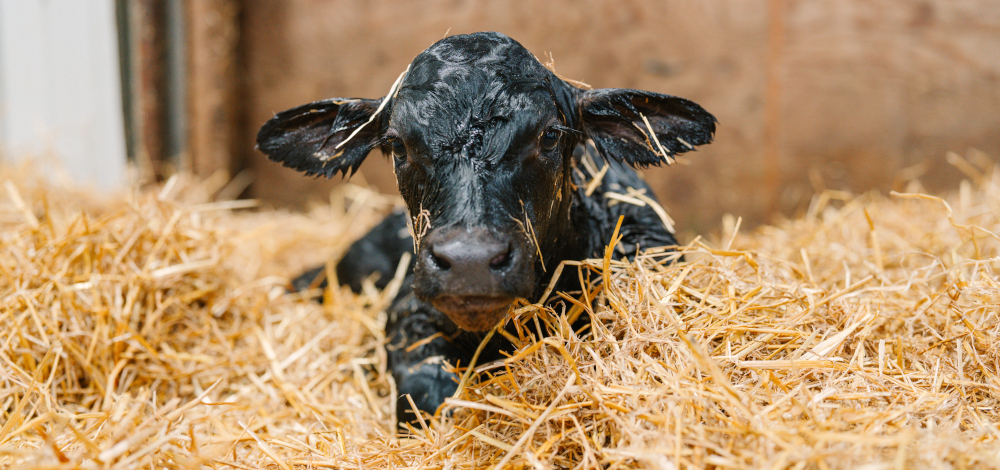
What should a good beef-on-dairy program include?
Not all beef-on-dairy programs are created equal. Before committing, ask questions about how calves are marketed, what genetics are expected and what commitments each party is making. A well-designed program should provide clarity, consistency and a plan that extends beyond today’s market conditions.
Before committing, make sure you understand what the program delivers and what commitments exist across the supply chain. Here are a few areas worth evaluating:
A committed buyer: This is the foundation. A strong program should provide confidence in where your calves are headed before they’re born. Look for a long-term buyer commitment that exists independent of spot market conditions.
Sire fertility and calving ease standards: Any program worth joining defines clear standards for the bulls it uses. Fertility-proven sires with documented calving ease should be foundational to any program. If a program or partner can’t tell you how its sires will perform in these areas, that’s a red flag.
Traceability: Buyers making long-term commitments want to know what they’re getting. Programs built around individual calf identification and data capture give both the dairy and the buyer a track record to build on as demands for information and transparency continue to increase.
Consistency at scale: A program that works for one pen doesn’t necessarily work for a thousand calves. The right program can support consistent volume, maintain sire selection standards across that volume and deliver a uniform calf that your buyers can plan around.
Shared goals: The best programs aren’t simply connecting dairies to buyers. They’re creating a supply chain where every participant – the genetics provider, the dairy and the feeder – works towards the same outcome.
Plan now while you have the leverage.
Beef-on-dairy calves are creating meaningful value for many dairy producers. But capturing value over time requires more than favorable market conditions. A successful program requires a plan.
Beef-on-dairy calves have become a meaningful revenue stream for many dairy producers, and like any important part of the business, they’re worth protecting. That starts with making genetic and sire selection decisions based on what buyers value, not simply what’s available. Strong programs also establish buyer relationships before calves are born, not after. And it means being part of a beef-on-dairy program where genetics, buyer commitments and market demand are working toward the same goal.
The market is strong today. The question worth asking is whether your program is positioned to maintain value when conditions change. If the answer is anything less than yes, now is the time to evaluate whether your current approach is built for your future.